High Blood PressureHome MonitoringHypertensionSingapore
Home Blood Pressure Monitoring in Singapore: Reading Chart and When to See a Doctor
Use this Singapore blood pressure reading chart to measure home BP correctly, understand 135/85 vs 140/90, and know when to book a doctor or seek urgent care.
Digital Health Clinic·14 Jul 2026·9 min read
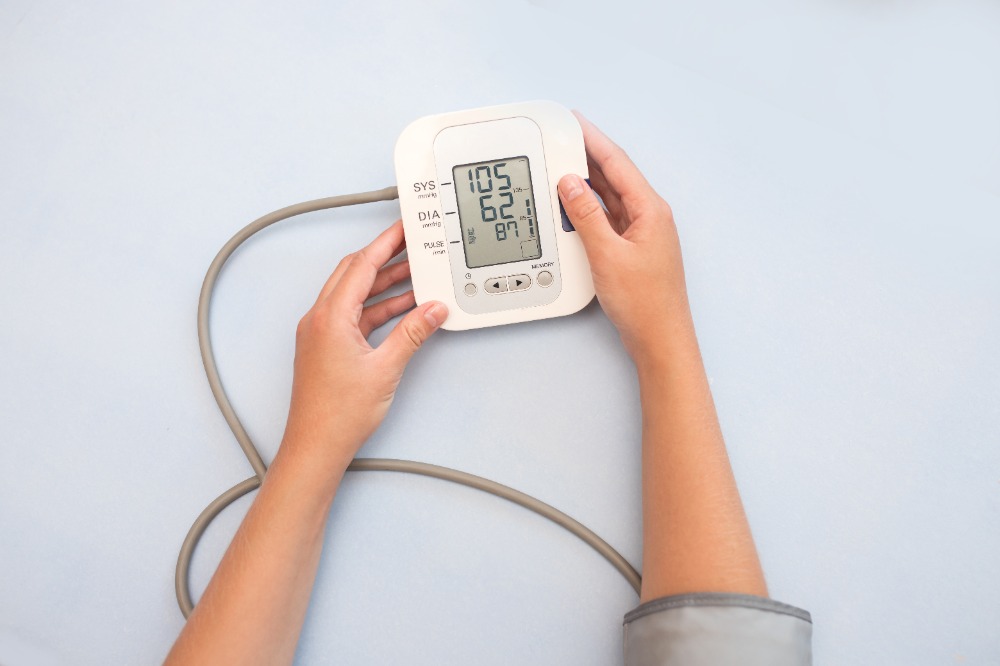
Home blood pressure monitoring is one of the most useful things you can do before seeing a doctor for high blood pressure. A single clinic reading can be affected by stress, rushing, caffeine, pain, or an incorrect cuff. A clear home log helps your doctor decide whether your blood pressure is truly high, whether treatment is working, and whether you need in-person review.
Quick answer: in Singapore, clinic hypertension is generally diagnosed at 140/90 mmHg or higher, while the home blood pressure cut-off is lower at 135/85 mmHg. Do not diagnose yourself from one reading. Measure correctly, repeat high readings after resting, and speak to a doctor if your average readings stay high or if you have warning symptoms.
Medication support
Need a doctor to review your medication?
A teleconsult can help with suitability checks, prescription refills when appropriate, and same-day delivery arrangements.
Blood pressure is written as two numbers: systolic over diastolic. The systolic number is the pressure when the heart pumps; the diastolic number is the pressure when the heart relaxes between beats.
Reading type
Systolic
Diastolic
What it usually means
Normal clinic BP
Below 130
Below 85
Continue healthy habits and periodic checks.
High-normal clinic BP
130-139
85-89
Start lifestyle changes and monitor more closely.
Clinic hypertension cut-off
140 or higher
90 or higher
Needs repeat readings and doctor assessment.
Home BP cut-off
135 or higher
85 or higher
Average home readings at or above this level should be reviewed.
Very high reading
180 or higher
110 or higher
Repeat after resting; seek urgent care if persistent or with symptoms.
Singapore Healthier SG guidance uses 140/90 mmHg for clinic hypertension and 135/85 mmHg for home blood pressure monitoring. Your personal target may be different if you have diabetes, kidney disease, heart disease, frailty, pregnancy, or medication side effects.
Why home readings are lower than clinic readings
Clinic readings and home readings are not interchangeable. Some people run higher in a clinic because they are anxious or rushed. Others run higher at home or overnight, which a clinic reading can miss. HealthHub notes that ambulatory blood pressure monitoring can measure readings across the day and night so a doctor can study blood pressure in a normal environment.
That is why home blood pressure monitoring is useful, but it needs to be done properly. A badly fitted cuff, crossed legs, talking, a recent coffee, or measuring immediately after exercise can push readings up and make your log harder to interpret.
How to measure blood pressure at home
Use an upper-arm monitor if possible. Choose the correct cuff size. A cuff that is too small can over-read; a cuff that is too large can under-read.
Measure at a consistent time. Use the same arm and similar timing each day, such as morning before breakfast and evening before bed, if your doctor has asked for a log.
Avoid common triggers first. Avoid coffee, smoking and strenuous exercise for 30 minutes before measuring.
Sit correctly. Sit upright with your back supported, feet flat on the floor, and arm resting on a table.
Keep the cuff at heart level. The cuff should sit around your upper arm at roughly the same height as your heart.
Rest before measuring. Sit quietly for at least three minutes. Do not talk during the reading.
Take two readings. If the readings differ meaningfully, take another reading and record the average or show all readings to your doctor.
If a reading is high, rest for five minutes and repeat. HealthHub advises contacting a doctor or care team if the reading remains high after repeated checks.
What to record in your blood pressure log
A useful blood pressure log is not just a list of numbers. It should help the doctor understand the pattern.
Date and time of each reading.
Systolic and diastolic blood pressure.
Pulse rate, if your monitor shows it.
Which arm was used.
Symptoms such as headache, chest discomfort, dizziness, breathlessness or visual changes.
For a non-urgent review, bring several days of readings. If you are already on blood pressure medication, include the exact medicine names and doses. If you need help with medication classes, use our separate guide to blood pressure medications in Singapore.
When to see a doctor
Book a GP review if your average home readings are repeatedly around 135/85 mmHg or higher, if clinic readings have been 140/90 mmHg or higher on more than one occasion, or if you are getting very different readings between arms, times of day, or devices.
You should also see a doctor if your readings are rising despite medication, if you have side effects such as ankle swelling or dizziness, if you recently stopped medication, or if you have diabetes, kidney disease, heart disease, pregnancy, or a history of stroke.
Seek urgent care if a very high reading comes with chest pain, breathlessness, severe headache, confusion, weakness or numbness on one side, fainting, seizures, or vision changes. These can be signs of acute organ stress or stroke symptoms, and teleconsult is not the right route.
If your reading is around 180/110 mmHg or higher but you feel well, sit quietly, repeat the reading after five minutes, and check that the cuff and posture are correct. If repeated readings remain very high, arrange same-day medical advice rather than waiting weeks for a routine appointment.
Can home monitoring replace clinic checks?
No. Home monitoring complements clinic care; it does not replace examination, blood tests or cardiovascular risk assessment. Healthier SG hypertension guidance includes assessment of cardiovascular risk, kidney checks, lipid profile, weight/BMI and cardiac assessment where appropriate.
Think of home monitoring as the evidence you bring to the consult. It helps your doctor decide whether to continue lifestyle changes, adjust medication, check kidney function or electrolytes, arrange an ECG, or refer you for specialist input.
Common mistakes that make readings unreliable
Using a wrist monitor casually: wrist monitors are more position-sensitive. If you use one, follow the device instructions closely and keep it at heart level.
Measuring through clothing: the cuff should sit on bare skin.
Talking or scrolling your phone: stay still and quiet during the reading.
Reacting to one number: one high reading is a signal to repeat correctly, not a full diagnosis.
Only measuring when anxious: this can create a distorted log. Measure at planned times unless you have symptoms.
Ignoring low readings with symptoms: dizziness, fainting or weakness on medication may mean the dose needs review.
What lowers blood pressure between reviews?
This article is about measurement, not a full treatment plan. Still, the basics matter: reduce sodium, exercise regularly, manage weight, avoid smoking, moderate alcohol, sleep enough and take medication consistently if prescribed. For Singapore-specific food examples, read 10 worst Singaporean foods for high blood pressure.
If your readings remain high after lifestyle changes, do not keep experimenting for months without review. High blood pressure often has no symptoms, but long-term uncontrolled hypertension raises the risk of stroke, heart disease and kidney disease.
Frequently asked questions
What is the normal blood pressure range in Singapore?
Healthier SG classifies clinic blood pressure below 130/85 mmHg as normal. Some international resources use lower ideal numbers, but your doctor will interpret your target based on age, cardiovascular risk and medical conditions.
Is 135/85 high at home?
An average home blood pressure of 135/85 mmHg or higher is the Singapore cut-off used for home blood pressure monitoring. One isolated reading does not diagnose hypertension, but repeated averages at or above this level should be reviewed.
Is 140/90 high?
In clinic, 140/90 mmHg or higher is the usual diagnostic cut-off for hypertension, based on repeated readings. At home, the equivalent cut-off is lower at 135/85 mmHg.
Should I measure blood pressure on the left or right arm?
Use the same arm consistently for your log. If there is a large difference between arms, record both and tell your doctor, because they may want to assess it.
How many days of readings should I collect before a consult?
If you are well and the review is not urgent, collect several days of morning and evening readings, ideally up to a week. If readings are very high or you have warning symptoms, do not wait to complete a log.
Can an online doctor review my blood pressure readings?
Yes, if you are stable and can provide reliable home readings, medication history and symptoms. Online review is not suitable for severe symptoms, very high readings with warning signs, pregnancy-related high blood pressure, or situations needing examination or tests.
Do I need medication if my home readings are high?
Not always. Treatment depends on your average readings, cardiovascular risk, age, other conditions and whether lifestyle changes are enough. Your doctor may recommend lifestyle changes, medication, blood tests, ECG or follow-up monitoring.
Home blood pressure monitoring is useful only when the readings are accurate and repeated. Use correct technique, focus on averages rather than one-off numbers, and seek medical review when your home average is repeatedly 135/85 mmHg or higher.
If you already have a blood pressure diagnosis and want a Singapore-licensed GP to review your home log, side effects or refill plan, you can start with our online doctor consultation.